Coast, castles and a king's path
St Oswald’s Way links places connected with Oswald, the 7th-century King of Northumbria who played a major part in bringing Christianity to his people. From Holy Island in the north, the route follows the Northumberland coast past some of its most famous castles, then heads inland along the River Coquet and over the Simonside Hills to finish at Heavenfield on Hadrian’s Wall.
It’s a walk that takes in almost every side of Northumberland: tidal islands, sweeping beaches, fishing villages, wooded river valleys, heather moorland, forest and farmland.
St Oswald’s Way at a glance
- Distance: 96 miles (155 km)
- Start and finish: Holy Island (Lindisfarne) to Heavenfield, near Hexham
- Time needed: around a week to walk the full route
- Highest point: about 1,000ft (300m) above sea level
- Terrain: the coastal half is mostly flat and dry underfoot. Inland there are some climbs, though nothing severe, and some sections can be muddy after rain.
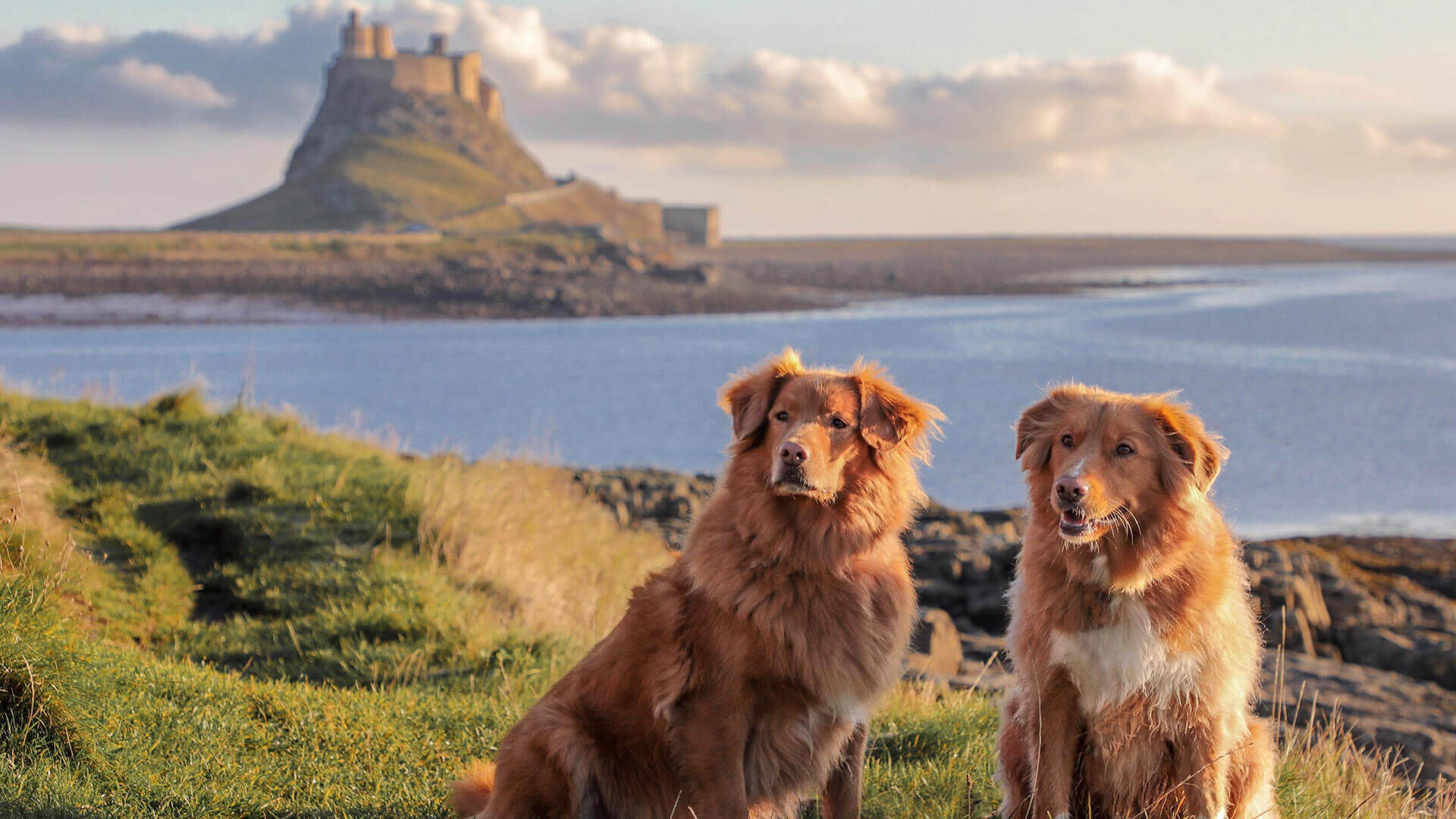
- Dogs: welcome along the whole route, but must be kept under close control
- Connecting routes: St Cuthbert’s Way and the Northumberland Coast Path in the north, and the Hadrian’s Wall Path at the finish
- Tides: the route starts on Holy Island, which is cut off at high tide. Always check Holy Island crossing times before you set out.
The route
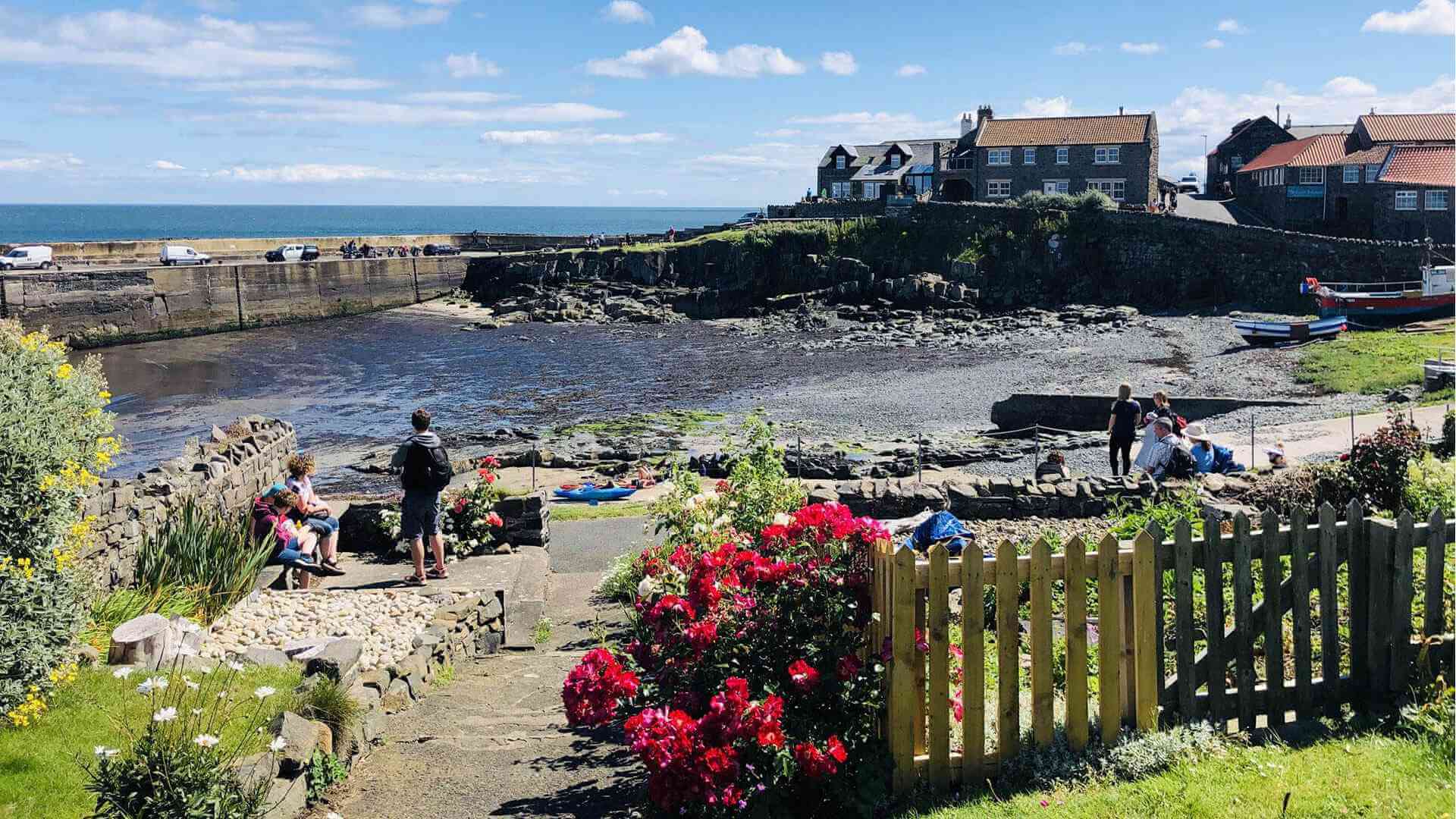
From Holy Island, the path crosses back to the mainland and heads over Buckton Moor to Belford before reaching Bamburgh, the royal seat from which Oswald ruled. From here it follows the coast south through Seahouses and Beadnell to the dramatic ruins of Dunstanburgh Castle and the fishing village of Craster, famous for its kippers.
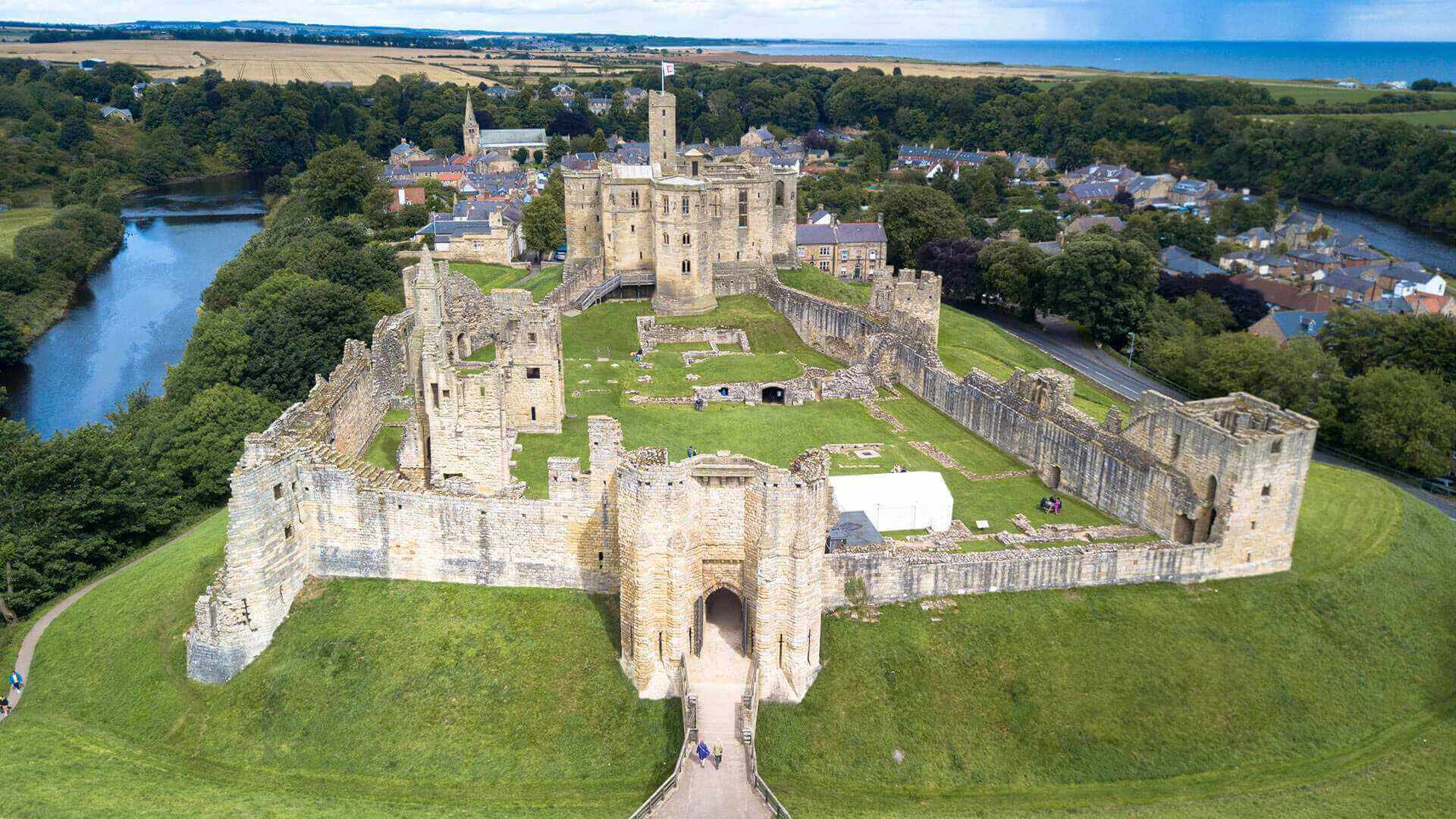
The coast continues past Howick and Boulmer to Alnmouth and on to Warkworth Castle. Here the route turns inland, following the River Coquet through Felton and past Brinkburn Priory to Rothbury, known as the capital of Coquetdale.
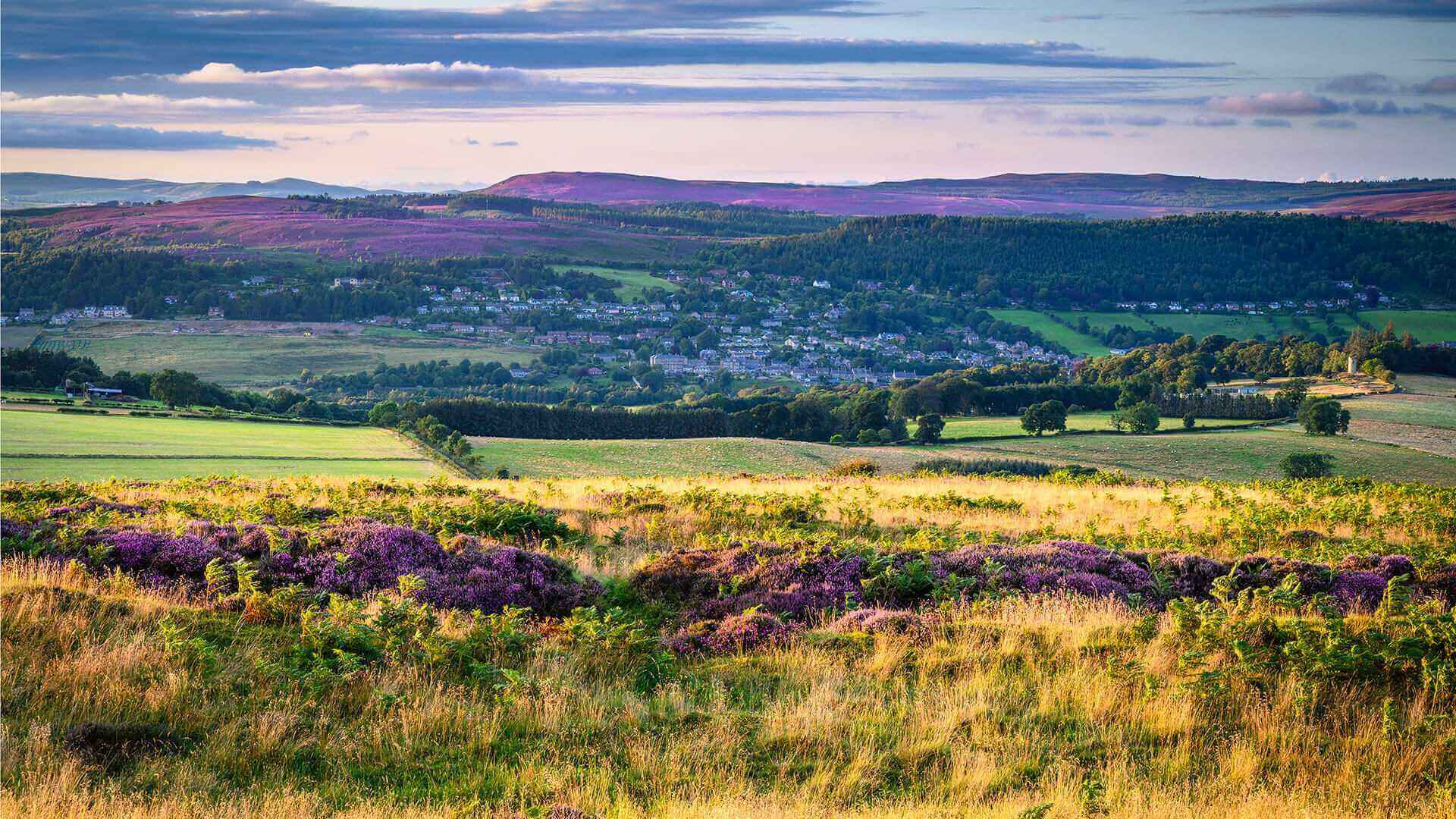
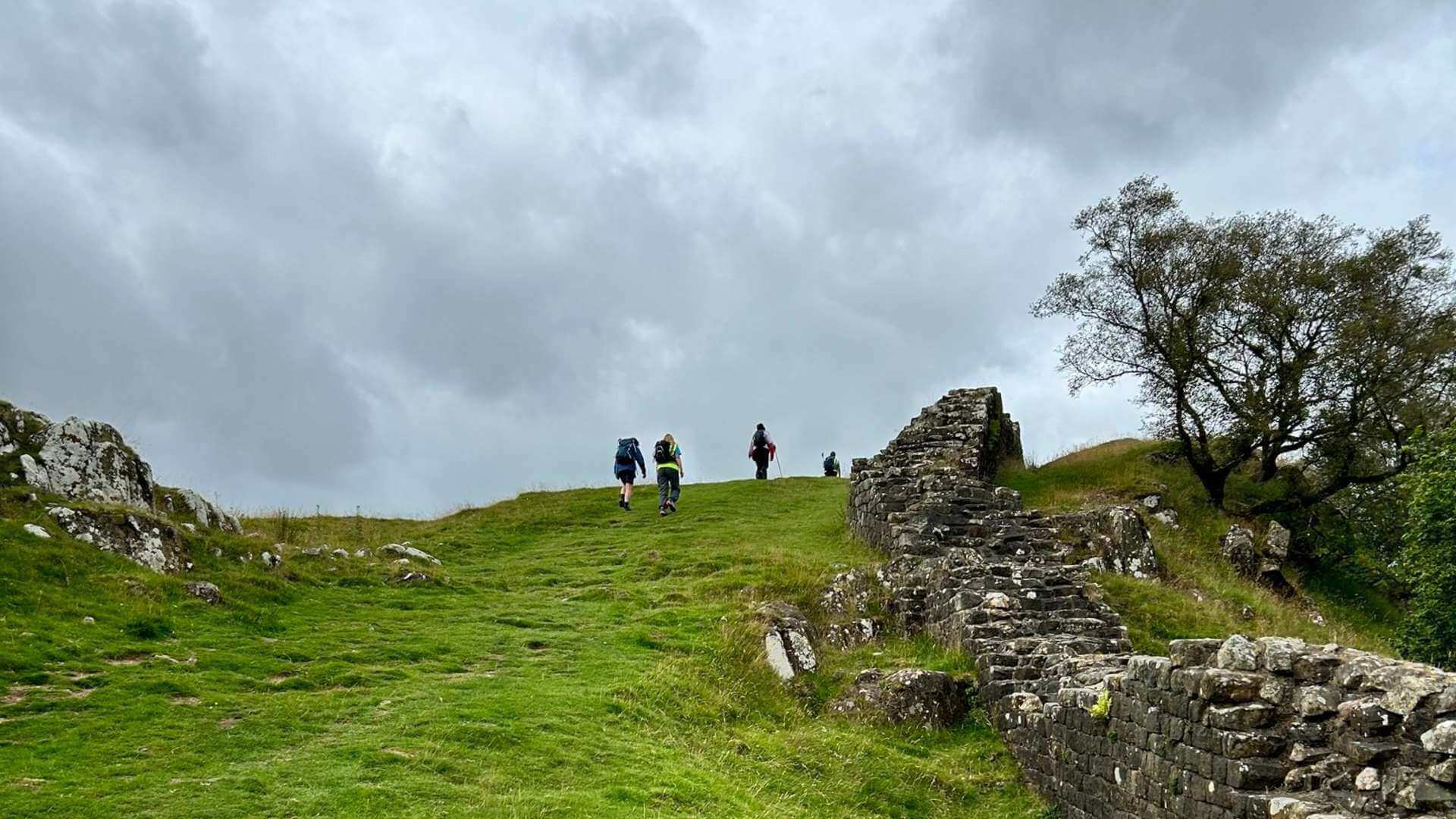
South of Rothbury, the path enters Northumberland National Park, passing the Iron Age hillfort and rock art at Lordenshaws before crossing the heather-clad Simonside Hills and Harwood Forest to Kirkwhelpington. The final stretch joins Hadrian’s Wall and ends at St Oswald’s Church, Heavenfield, where Oswald is said to have raised a wooden cross before his victory in battle in 634AD.
As seen on BBC Two
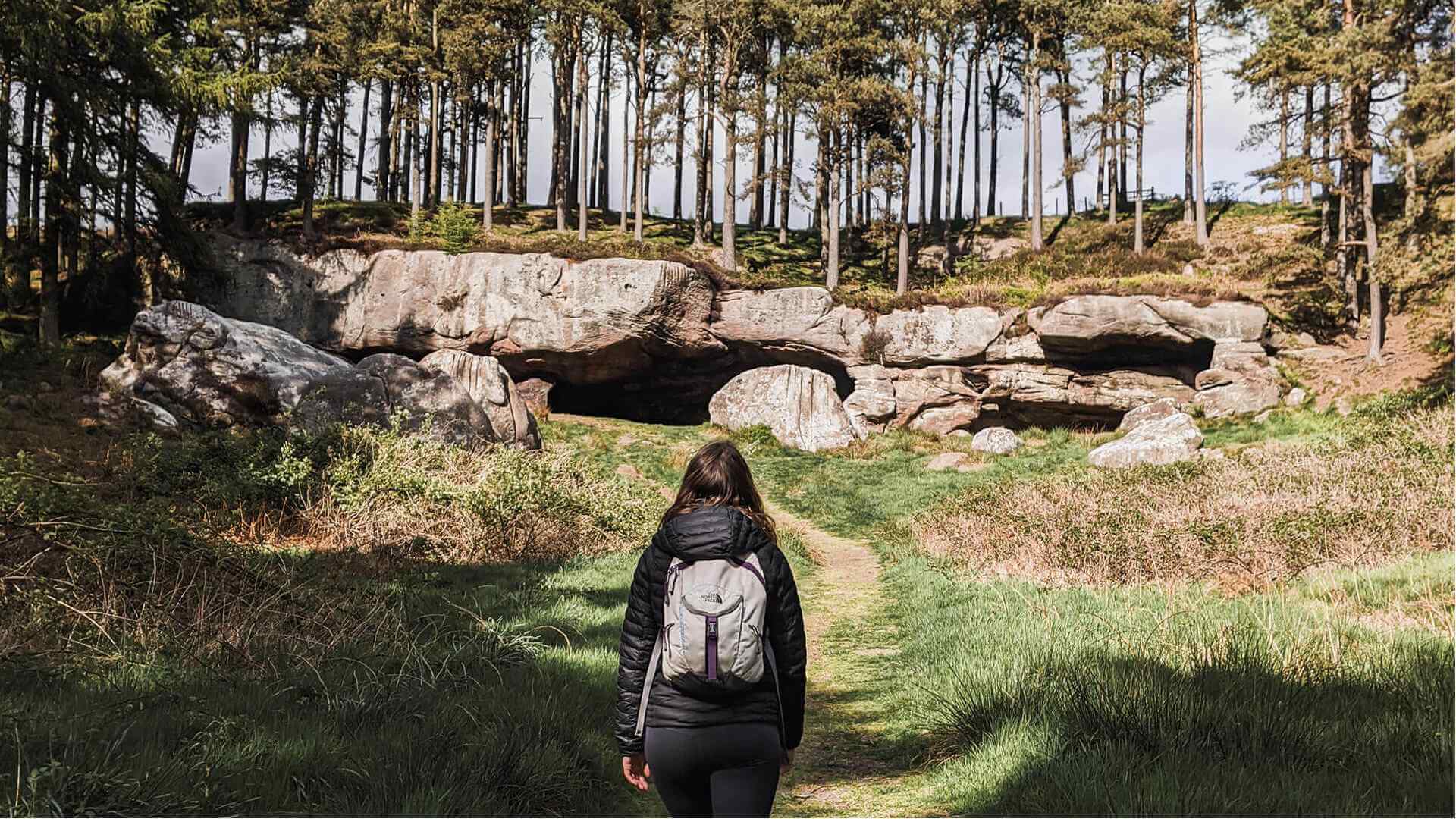
St Oswald’s Way featured in the 2026 series of Pilgrimage: The Road to Holy Island on BBC Two. Seven well-known faces, including Ashley Banjo, Hermione Norris and Patsy Kensit, followed a network of trails linked to the northern saints Hild, Oswald and Cuthbert. Joining St Oswald’s Way, they headed for the coast and visited the medieval hermitage at Warkworth, carved into the rock above the River Coquet and reached by boat, before crossing the sands to Holy Island.
Route stages
The official route is divided into six sections, from north to south:
- Holy Island to Bamburgh (19 miles / 31 km)
- Bamburgh to Craster (14 miles / 22 km)
- Craster to Warkworth (13.5 miles / 21.5 km)
- Warkworth to Rothbury (18 miles / 29 km)
- Rothbury to Kirkwhelpington (15 miles / 24 km)
- Kirkwhelpington to Heavenfield (17.5 miles / 28.5 km)
You can walk the route in either direction, or tackle it one section at a time. If you’d rather enjoy some of the highlights without the full distance, there’s also a series of short walks along St Oswald’s Way, including easy access routes.
Getting there and back
The coastal half of the route is the easiest to reach by public transport. Berwick-upon-Tweed is the nearest mainline station to the start, and a limited bus service links Holy Island with Berwick railway station on selected days. It runs around the tides, so check the latest timetable alongside the crossing times. Further south, Alnmouth station sits close to the route. Buses are less frequent south of Rothbury, so plan these stages carefully. Hexham is the nearest town and station to the finish at Heavenfield. For more help, see our getting here guide.
For detailed route maps, GPX downloads, the St Oswald’s Way guidebook and how to claim your certificate for completing the walk, visit the official St Oswald’s Way website.