The English countryside is having a moment. Every scroll through TikTok and Instagram turns up another dreamy clip of stone-built villages, foxgloves in cottage gardens and someone in a Barbour walking a spaniel through golden fields. The aesthetic is everywhere, but most of it is filmed in the same handful of crowded Cotswolds villages. The real, lived-in, peaceful English countryside is somewhere else entirely. It's in Northumberland, where rolling Cheviot Hills meet ancient woodland, stone-built villages sit untouched in hidden valleys, and the night sky is darker than anywhere else in England.
The British Countryside in Northumberland
If you've come here from a Reel, a TikTok or a Pinterest board, you already know the look: honey-stone cottages, dew on the meadows, a steaming cup of tea on a country cottage windowsill, and the gentle thud of walking boots on a wet path. The English countryside trend has turned the rural aesthetic into a global obsession, and it's pulled millions of visitors to the UK.
Northumberland is the version of the English countryside where the villages are still working villages, the pubs are still run by locals, and the footpaths are still peaceful. You can stand in a wildflower meadow in June, or on a heather moor in August, and not see another person for hours.
That's why Northumberland is increasingly the corner of the country that people who actually live in England recommend when friends ask where to find the "real" English countryside. Two Areas of Outstanding Natural Beauty, the largest National Park in the country, the lowest population density in England, and the darkest skies, it's the English countryside trend, without the crowds.
Why Northumberland has the most beautiful countryside in England
The English countryside conjures images of patchwork fields, fairytale-style villages and rolling hills, and Northumberland has all of it, with the added luxury of space. It's the least populated county in England, which means you can walk for hours on a National trail without seeing another soul.
What sets it apart from other countryside in the UK:
Two Northumberland National Landscapes — formerly known as Areas of Outstanding Natural Beauty in Northumberland, the North Pennines to the south-west and the Northumberland Coast to the east, are recognised as National Landscapes.
Hadrian's Wall — a UNESCO World Heritage Site running through the heart of the countryside.
More castles than any other English county — over 70 of them dotted across the landscape.
If you've been searching for the most beautiful countryside in England, this is the part of the map most travel guides miss.
English countryside towns and villages worth visiting in Northumberland
The best English countryside towns aren't the famous ones in the Cotswolds, they're the ones still lived in and still affordable to stay in. Northumberland's villages are among the prettiest in the country and a fraction of the price.
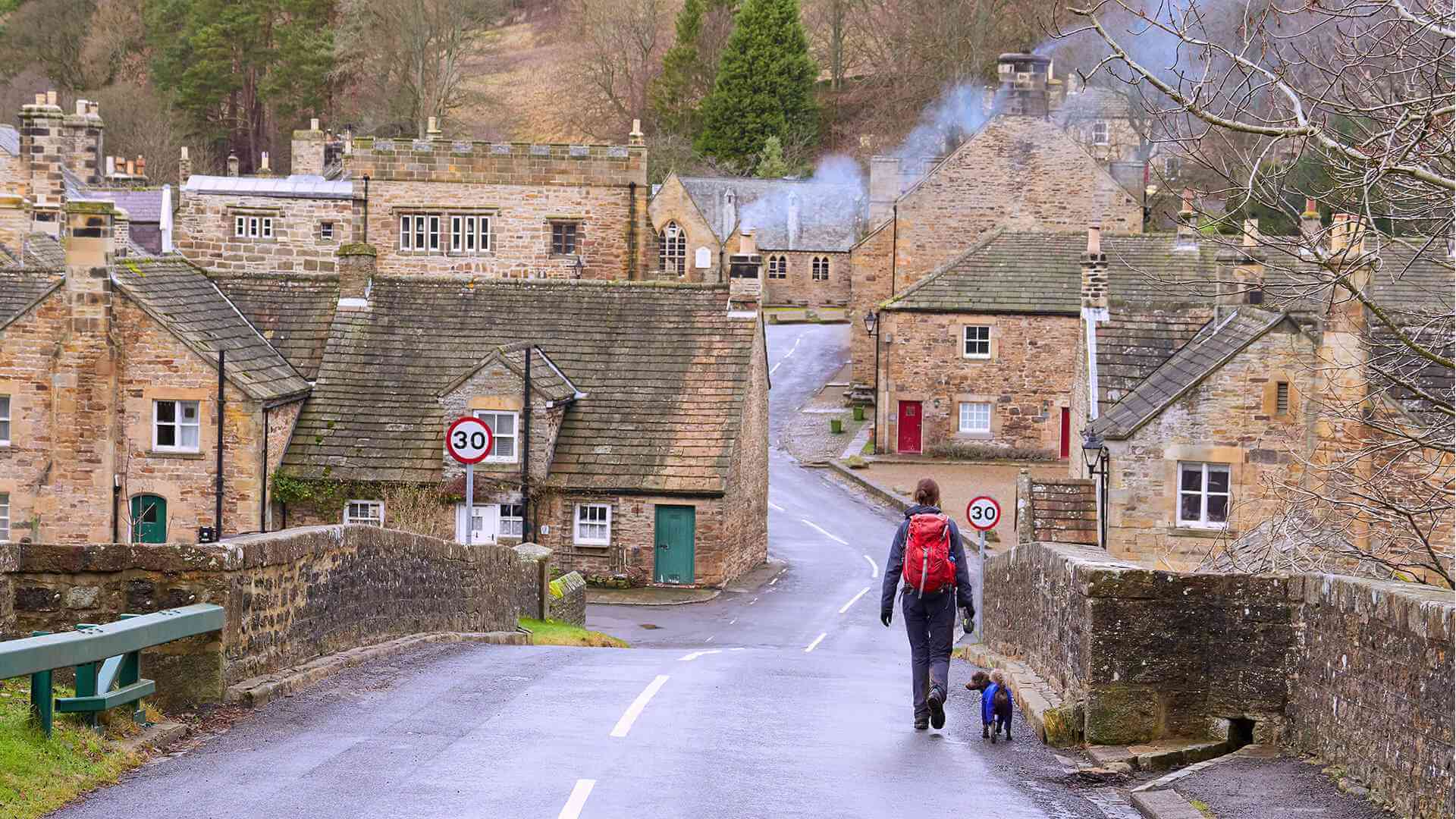
A 12th-century village, tucked into the moors of the North Pennines. If you've saved a Pinterest board of "English countryside village" photos, half of it could be Blanchland. The Lord Crewe Arms (a former abbot's lodge) makes the perfect overnight stop and has become a quietly viral favourite for slow-living weekends.
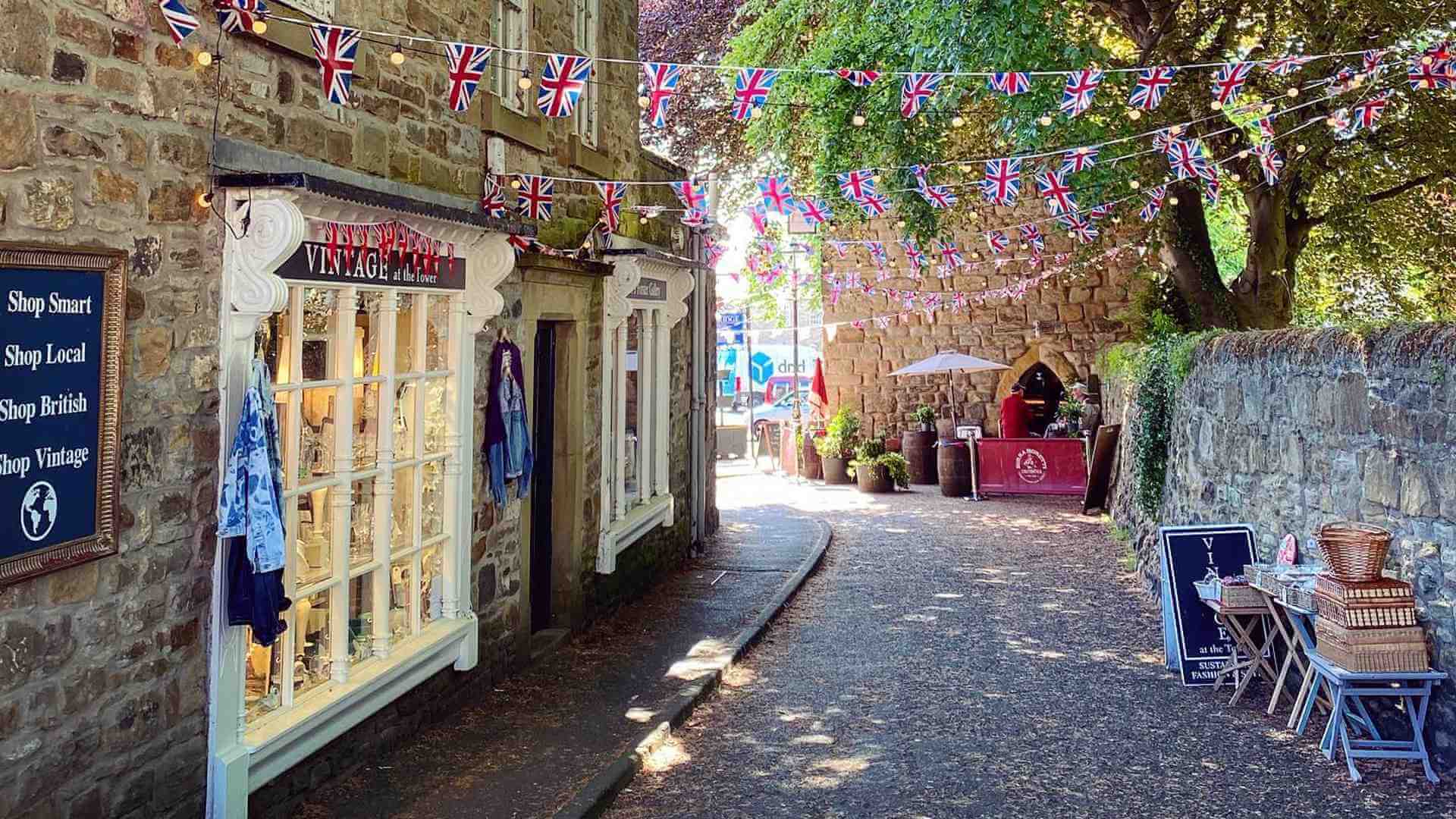
This riverside English countryside town sits on the edge of the Simonside Hills. Independent shops, tea rooms, and easy access to walking trails, Cragside House and Gardens (the National Trust's hydroelectric house built by Lord Armstrong) and the Cheviots all on your doorstep.
A stone-built hamlet in the Breamish Valley, surrounded by Bronze Age hill forts and rushing waterfalls. One of the quietest places in the country to pitch up, picnic, and disappear for a day.
The gateway to the Cheviots, Wooler is a working market town with everything you need for a long walking weekend, including its own gin and whisky distillery at Ad Gefrin.
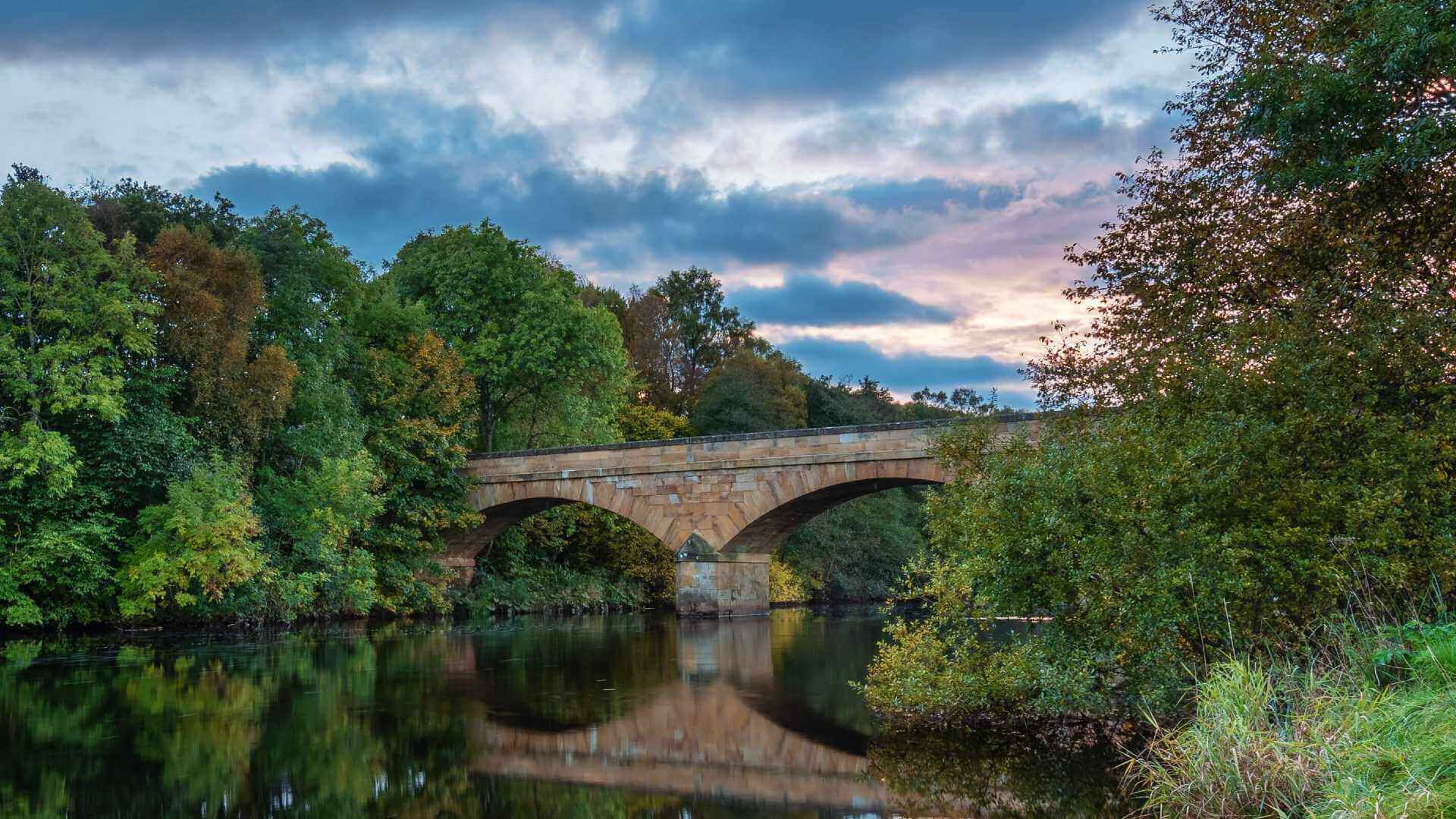
Roman heritage, Georgian architecture and one of the most charming high streets in the north of England. Enjoy a weekend stay in Northumberland and pass the time sampling local delicacies from independent bakeries, mooching around antiques shops and gentle strolls alongside the River Tyne in Corbridge.
Explore the best countryside in England in Northumberland
If you're searching for places in the countryside in England that go beyond the usual suspects, these are the corners of Northumberland worth heading for.
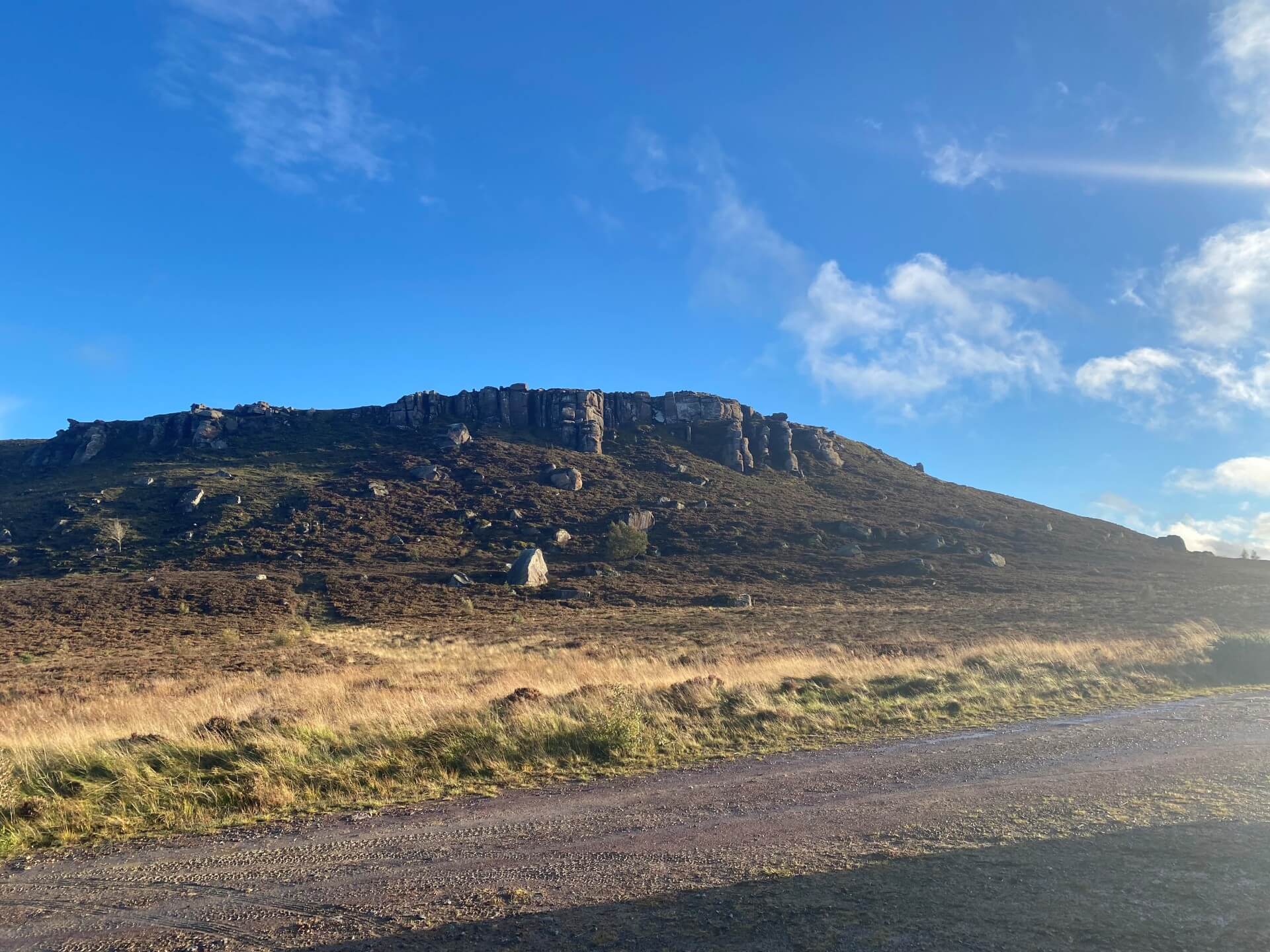
The Allen Valleys is a breath-taking beauty spot in the North Pennines AONB. Heather moorland, lead-mining heritage, river valleys and a programme of festivals and events through the year.
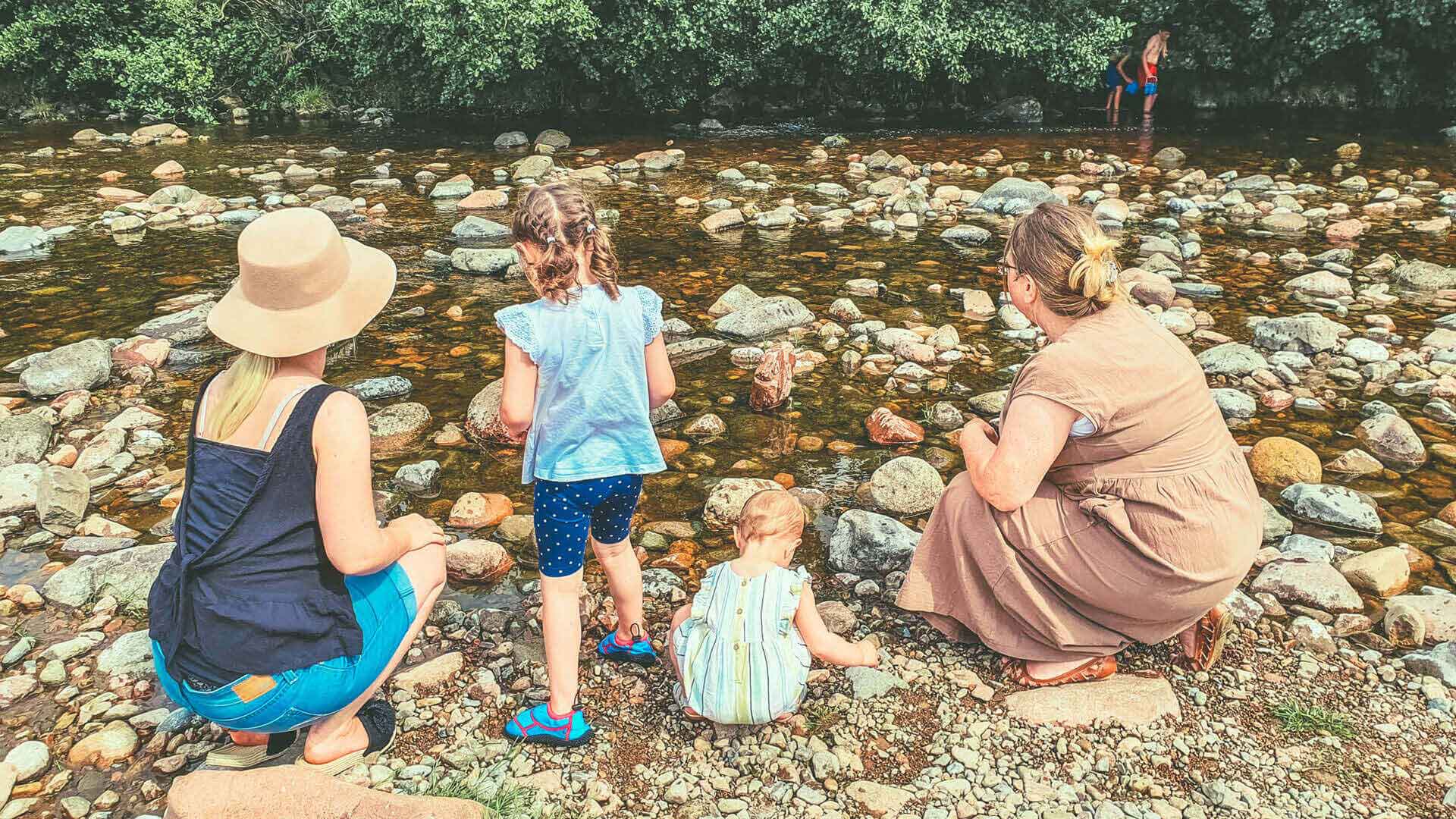
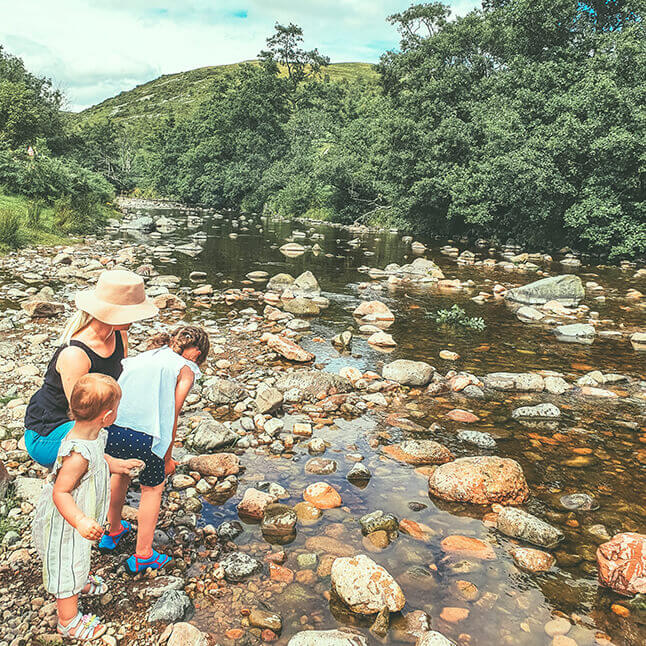
Sweeping valley views, ancient hill forts, Bronze Age settlements and the gentle Breamish River. Perfect for a picnic and a paddle in the Ingram and Breamish Valley.
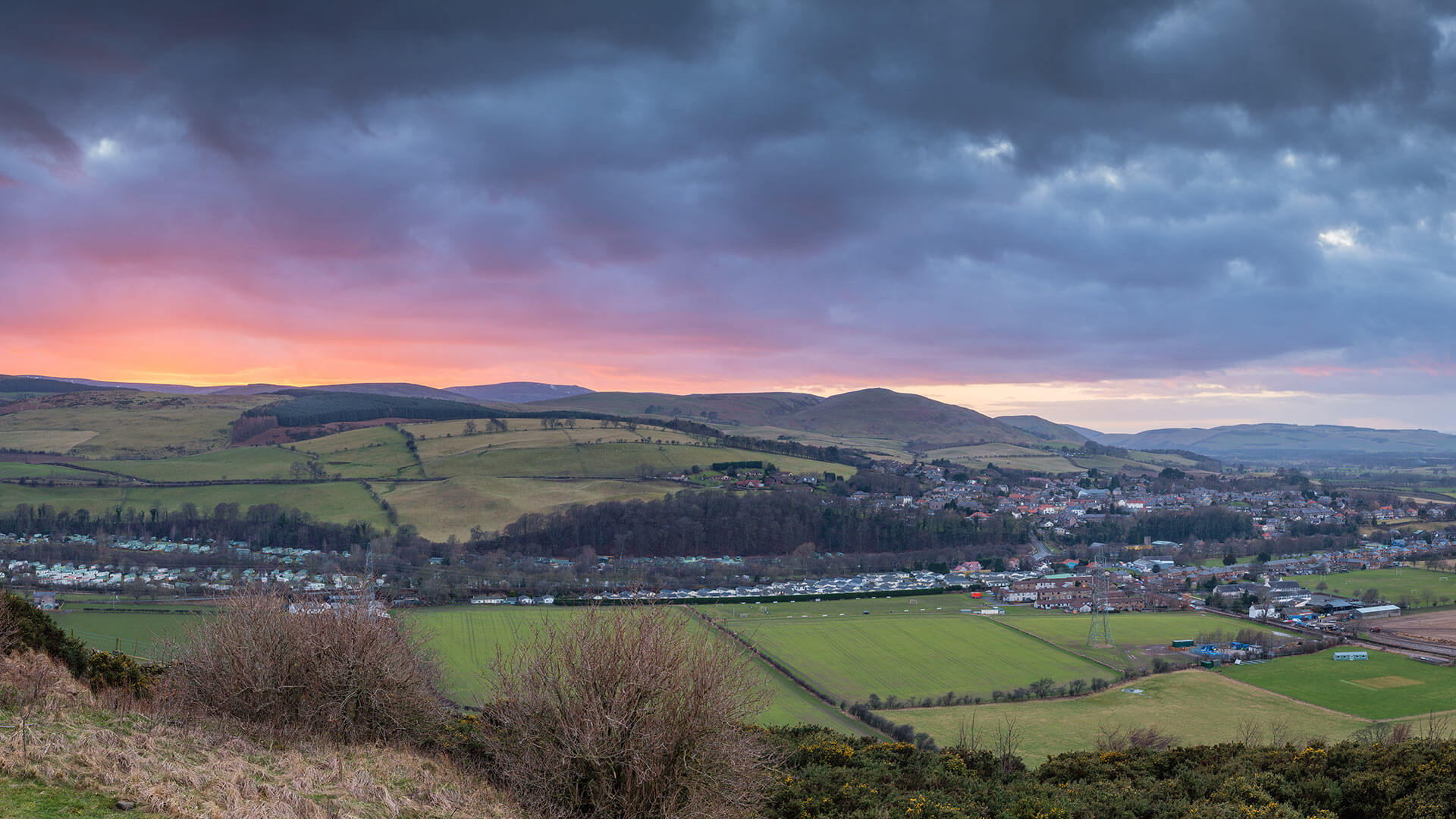
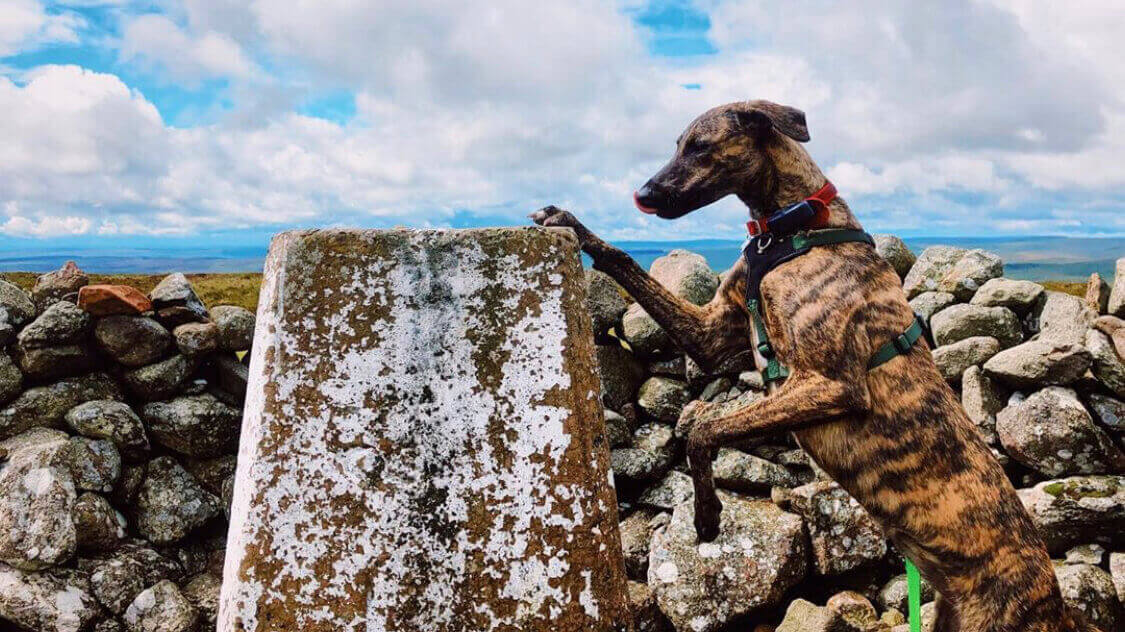
The rolling spine of Northumberland National Park, the Cheviot Hills are home to wild goats, hen harriers and some of the most peaceful landscapes in England.
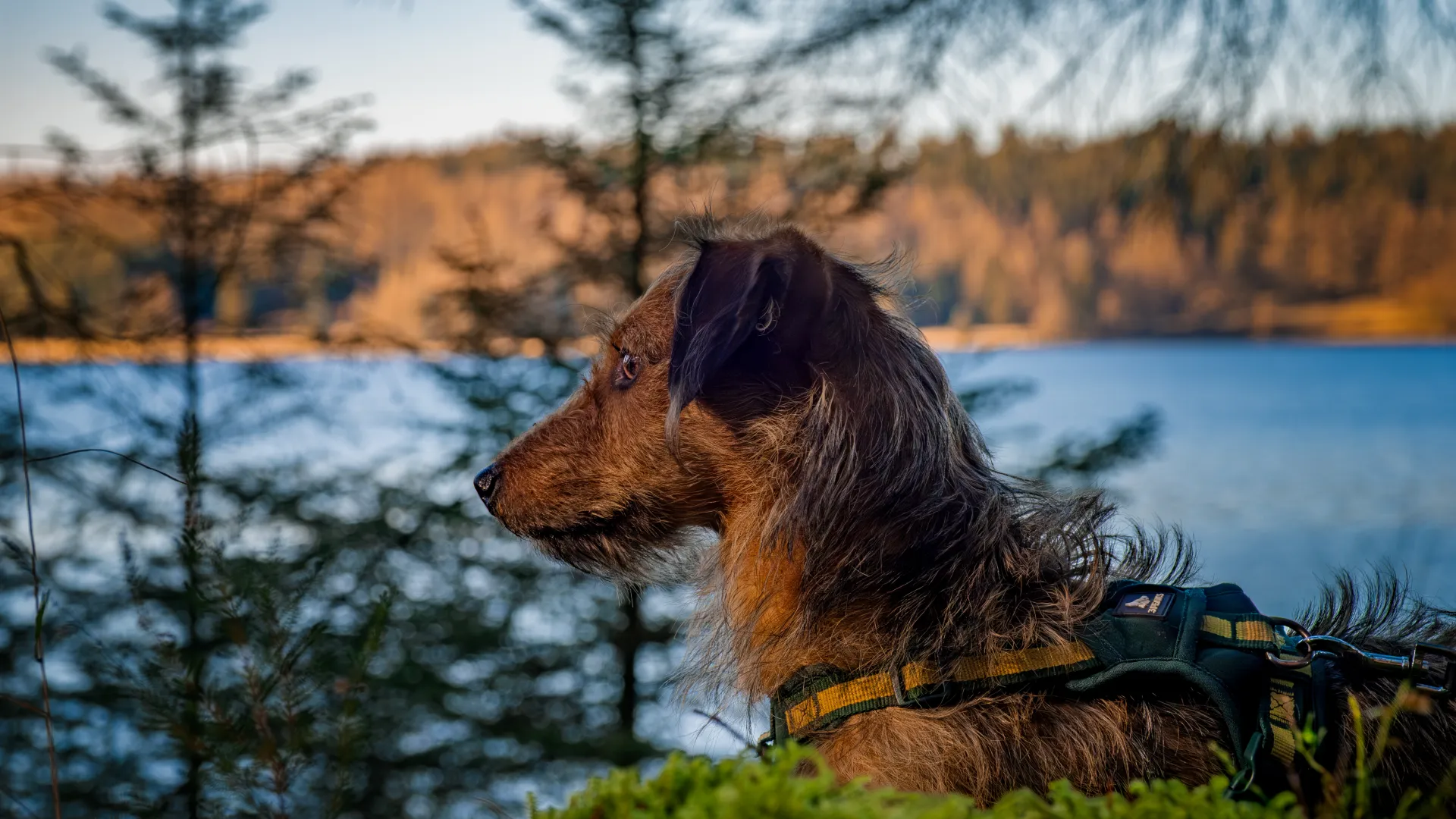
Kielder Water & Forest Park is northern Europe's largest man-made lake set within England's largest forest. Walking, cycling, watersports, horse riding, spotting red squirrels and visiting the Kielder Observatory are just some of the best activities the area has to offer.
Where Roman history runs along a ridge of crags and crosses some of the most dramatic countryside in the UK. Walk Hadrian's Wall and stop off at some of the fascinating Roman Forts and museums along the way, including The Sill, Chesters Roman Fort, Vindolanda and Housesteads Roman Fort.
The most photogenic corners of the English countryside in Northumberland
For anyone planning a trip around what they've seen online, these are the Northumberland spots that match the "English Countryside" trend and reward a slow morning with a camera.
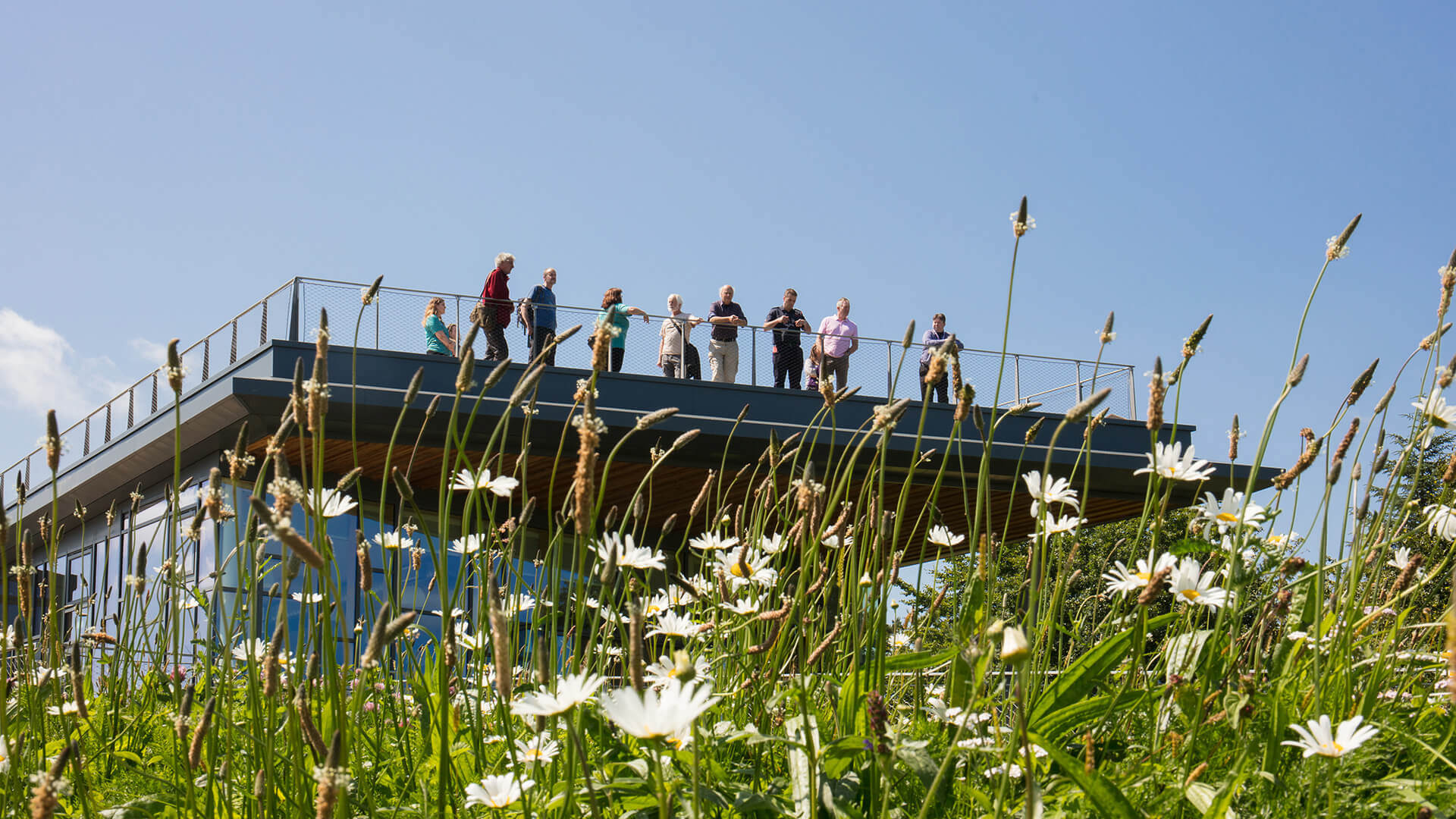
Belsay Hallinrhododendron season (late May / early June) — the English Heritage hall and grounds at Belsay, with the rhododendrons that spring into full bloom providing a vibrant show.
Bowlees and Low Force waterfalls in the North Pennines — bluebells in spring, copper bracken in autumn.
Holystone's Lady's Well — a still, hidden pool ringed by trees, like something from a folk tale.
The Drove Road above Ingram — sheep, dry-stone walls, big sky, not a soul in sight.
Kielder Forestat first light — mist rising off the water, red squirrels in the spruce.
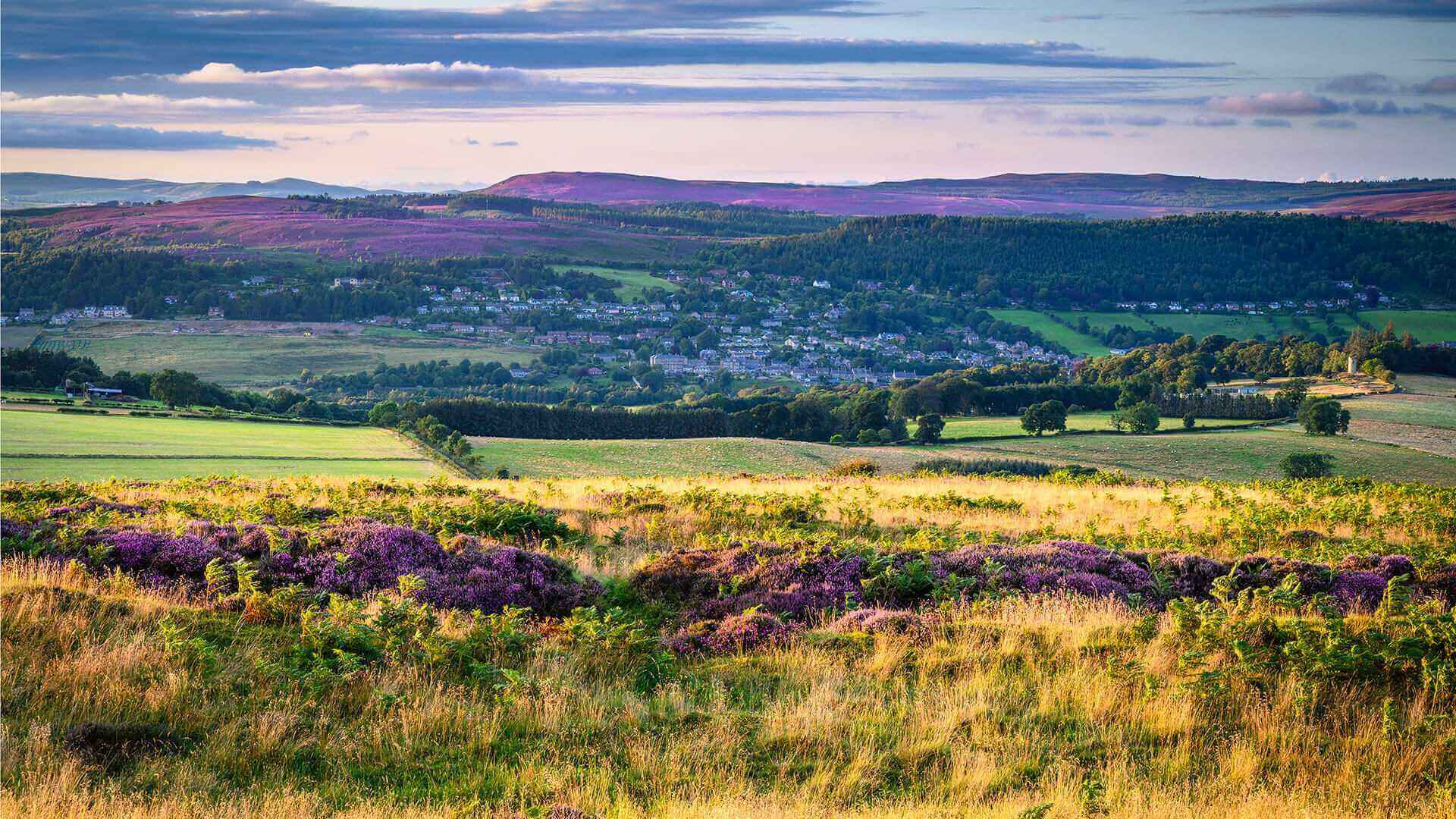
The Cheviot foothills in heather season (August) — the moors turn purple for about three weeks.
Bamburgh Beach — views of a vast, picture-perfect beach and an ancient castle in the distance.
If you're posting your trip, tag #EndlessExperiences — Visit Northumberland features the best of them on Instagram.
English countryside tours: walking, cycling and scenic drives in Northumberland
For active visitors, Northumberland is one of the best places in the country to take an English countryside tour on foot, bike or by car.
Walking: Northumberland is crossed by three National Trails: the Pennine Way, Hadrian's Wall Path and St Oswald's Way. Easier favourites include the Hareshaw Linn waterfall walk near Bellingham, and the Simonside Hills above Rothbury.
Cycling: quiet country lanes link every village in the county. The Coast and Castles route, Reivers Cycle Route and the Sandstone Way are all signposted long-distance options.
Scenic drives: the Military Road (B6318) follows Hadrian's Wall west to east. The route up Coquetdale through Rothbury and into the Cheviots is one of the most beautiful drives in the country.
An English countryside itinerary: 3 days in Northumberland
A ready-made English countryside itinerary for first-time visitors. Easy enough to drive, slow enough to enjoy.
Day 1 — The North Pennines: Start in Hexham, a market town on the edge of the Tyne Valley. Drive south through the Allen Valleys into the North Pennines AONB. Lunch in Allendale. Afternoon walk along the East Allen River. Overnight in Blanchland at the Lord Crewe Arms.
Day 3 — The Cheviots: Head north to Rothbury. Walk the Simonside Hills for stunning views over the National Park. In the afternoon, drive up to Ingram and the Breamish Valley for a riverside picnic and a wander through the ancient hill forts.
A longer road trip to England's most northern county can easily extend with two more days: one for the Northumberland coast and its castles, and one for Alnwick and the Hulne Park estate.
A Northumberland coast itinerary: 3 days along England's most beautiful coastline
The Northumberland Coast Area of Outstanding Natural Beauty stretches for more than 60 miles, from the mouth of the Coquet to the Scottish border. Empty sandy beaches, fishing villages, clifftop castles and a tidal island, it's the second half of any English countryside trip to Northumberland, and a complete road trip in its own right. Built south-to-north, it ends with the tide-controlled crossing to Holy Island.
Day 1 — Druridge Bay, Amble & Warkworth: Start at Druridge Bay, a seven-mile sweep of sand backed by dunes and nature reserves, one of the longest beaches in England and almost always empty. Walk a stretch, then head inland to Amble, a working fishing harbour with seafood huts, an artisan food market and the Puffin Festival in May. Lunch on the harbour. In the afternoon, drive ten minutes north to Warkworth, a medieval village built around its castle, with the River Coquet looping around it. Finish the day at Alnmouth: pastel-painted houses lined up above a tidal estuary, perfect for sunset. Stay overnight in Alnmouth or Warkworth.
Day 2 — Craster, Dunstanburgh & the Farne Islands: Start with kippers for breakfast at Craster, a tiny fishing village still smoking herring the way it has for 150 years. From here, walk the clifftop path north to Dunstanburgh Castle, a ruined 14th-century fortress perched on a basalt outcrop above the sea (about 1.5 miles each way). Continue on foot or by car to Low Newton-by-the-Sea, a National Trust hamlet with a square of fishermen's cottages and the Ship Inn brewing its own beer. Lunch here. In the afternoon drive on through Embleton Bay and Beadnell Bay to Seahouses, then take a boat trip to the Farne Islands — between April and July you'll see thousands of puffins; year-round, grey seals on the rocks. Stay overnight in Seahouses or Bamburgh.
Day 3 — Bamburgh & Holy Island: Wake up to one of the most photographed views in England, Bamburgh Castle on its dolerite crag above three miles of pale sand. Walk the beach early, then explore the castle and the Grace Darling Museum in the village. Drive north for the day's next adventure, the Holy Island of Lindisfarne, a tidal island reached by a causeway that disappears under the sea twice a day (check the safe crossing times before you go). Explore Lindisfarne Priory, Lindisfarne Castle and sample some traditional mead. Cross back before the tide turns.
A few hours either side of this itinerary opens up Alnwick Castle and The Alnwick Garden just inland from Alnmouth, Cragside near Rothbury, and the inland countryside itinerary above. Together they make the perfect 5-7 day road trip to explore the best of the English countryside.
Northumberland International Dark Sky Park is the largest area of protected night sky in Europe and the only Gold Tier Dark Sky Park in England. On a clear night you can see the Milky Way with the naked eye. Kielder Observatory runs events all year round.
From luxury country house hotels in Northumberland to B&Bs in stone villages and glamping cabins in the forest — there is a range of places to stay in Northumberland for every budget. Pubs with rooms (the Lord Crewe Arms at Blanchland, the Pheasant Inn near Kielder, the Tankerville Arms at Wooler) are a great way to experience the heart of an English countryside town overnight.
Northumberland’s countryside is a treasure trove of natural beauty, rich heritage, and peaceful escapes. Whether you're walking through rolling hills, exploring ancient woodlands, or picnicking beside tranquil rivers, following the Countryside Code helps keep these spaces special for everyone. By respecting local wildlife and communities, protecting the landscape from litter and damage, and enjoying the outdoors responsibly, we can all play a part in preserving Northumberland’s stunning rural character for future generations.
Frequently Asked Questions
Northumberland is widely considered to have some of the most beautiful and least-spoilt countryside in England. With two Areas of Outstanding Natural Beauty, the largest National Park in the country, the darkest skies in England and a 73-mile stretch of Hadrian's Wall, it offers more variety than almost any other rural county.
Blanchland, Rothbury, Corbridge, Bamburgh, Craster, Alnmouth, Bellingham and the village of Ingram are some of the best English countryside towns in Northumberland. Each combines stone-built architecture with easy access to walking, history and rural pubs.
Yes, Northumberland is one of the best regions in England for a road trip. Quiet roads link every village, the A69 and the Military Road (B6318) are two of the country's most scenic drives, and a 3-5 day itinerary easily covers the Northumberland National Park, Hadrian's Wall, the Northumberland coast and the North Pennines.
Late spring (May) and early autumn (September) are the most reliable months for weather, walking conditions and clear night skies. August brings the purple heather across the moors; winter is best for stargazing and quiet pubs by the fire, as well as a whole host of Christmas events in Northumberland, from traditional Northumberland christmas markets to wreath making workshops.
Stay in the know
Subscribe to our newsletter for seasonal highlights, must-see events, and insider tips. Get regular updates on the best things to do, see and experience in England’s most magical county.