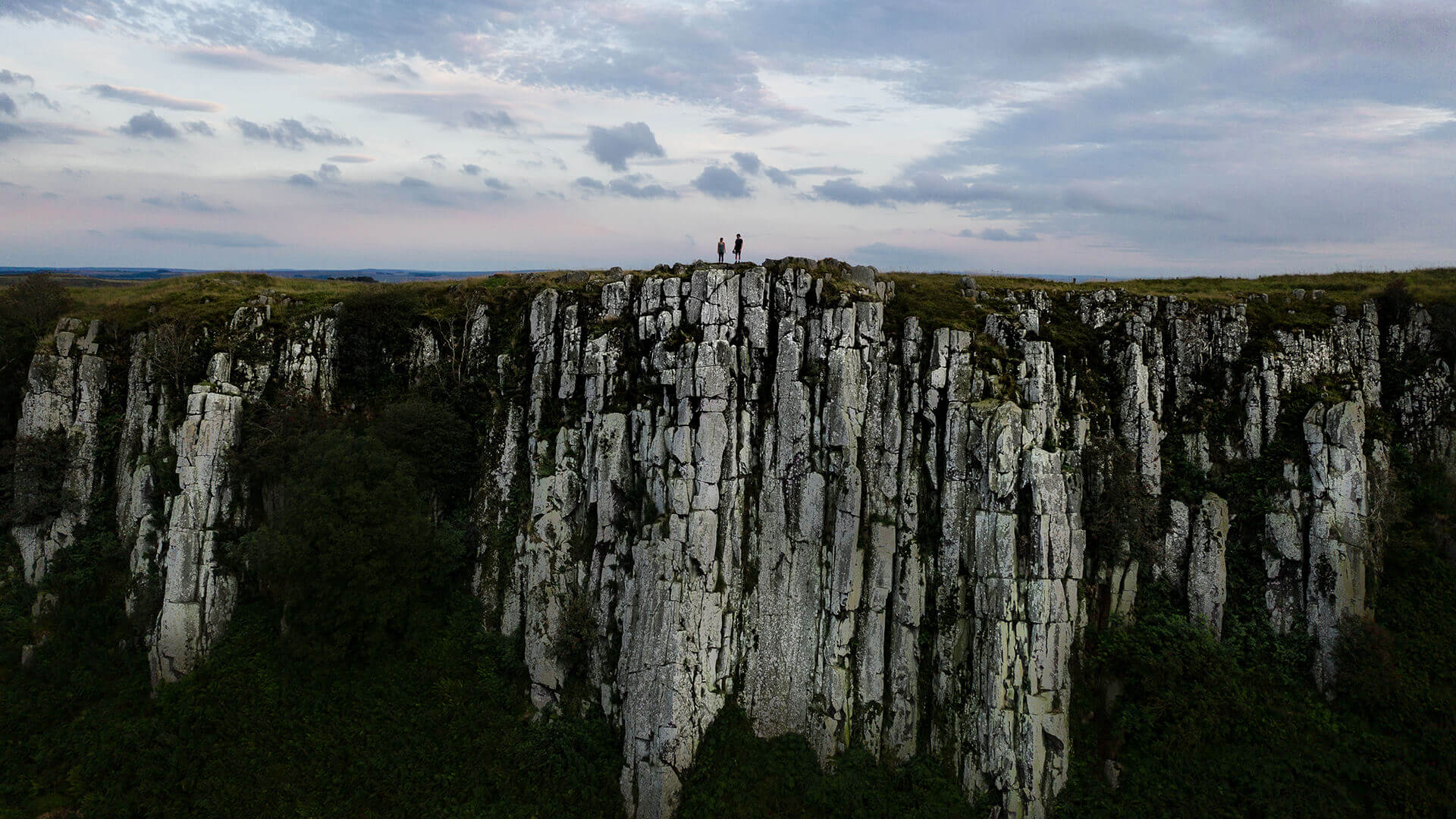
Explore the Cheviot Hills
Scaling the Scottish Border, The Cheviots include vast swathes of Northumberland National Park – the least populated national park in England. Roam along lakesides, discover shrouded waterfalls and watch otters play from the riverbanks of this paradisiacal landscape.
Valleys, waterfalls and picnic spots
Pack a picnic and have a paddle in the Breamish Valley or Harthope Valley and tuck in to lunch on the romantic riverbank. The valleys’ ancient hay meadows form a riot of colour in summertime and are a wildlife haven throughout the year. Set out to find the dramatic waterfall of Linhope Spout, or visit the tucked-away ponds of Wooler Common.
Walking in the Cheviots
The Cheviots’ routes are made for walking, so step into your hiking boots and explore the peaks of the Otterburn Ranges, the Cheviots and Simonside Hills. Hike Scotland’s border on the Border Ridge route and Pennine Way, or challenge yourself to the incline of The Cheviot, the highest point in Northumberland National Park
Prefer to walk with an expert? Northumberland National Park runs guided walks through the Cheviots this winter. Take on the Alwinton, Copper Snout and Shillmoor walk on 22 November, the North Cheviot Circuit from Wooler Common on 13 December, or walk off Christmas on the Boxing Day walk to the Drake Stone and Harbottle Castle.
Wildlife in the Cheviots
See elusive wild animal herds including Northumberland’s ancient feral goats at Yeavering Bell (hill of goats) and Chillingham’s famous Wild Cattle.
History and heritage
Go historical-site-hopping and see Yeavering Bell’s Iron Age hillfort, Rothbury’s mysterious cup-and-ring rock at Lordenshaws and the peaceful countryside at Flodden that once saw the bloody clash between English and Scots soldiers that changed the course of history forever.
For a more recent historic experience, head to Cragside, the fairytale-esque house that was built by the inventor William Armstrong and was the first house in the world to be lit by electricity. If you fancy a fright, visit Chillingham Castle, “often called one of Britain’s most haunted castles. Dim lighting, creaking stair cases and a gloomy ‘Torture Chamber’ all add to the thrill of exploring this haunted, historical site.