Cut off from the rest of the world
Holy Island is a pint-sized island that holds pubs and cafés a-plenty, alongside Lindisfarne Castle and the ancient Lindisfarne Priory. Always check Holy Island safe crossing times before visiting, since the island becomes cut off from the mainland twice a day as the tide comes in. Words can't quite capture the magic of crossing the causeway itself, with staggering views the whole way and the feeling of entering a secret world as the island comes into view.
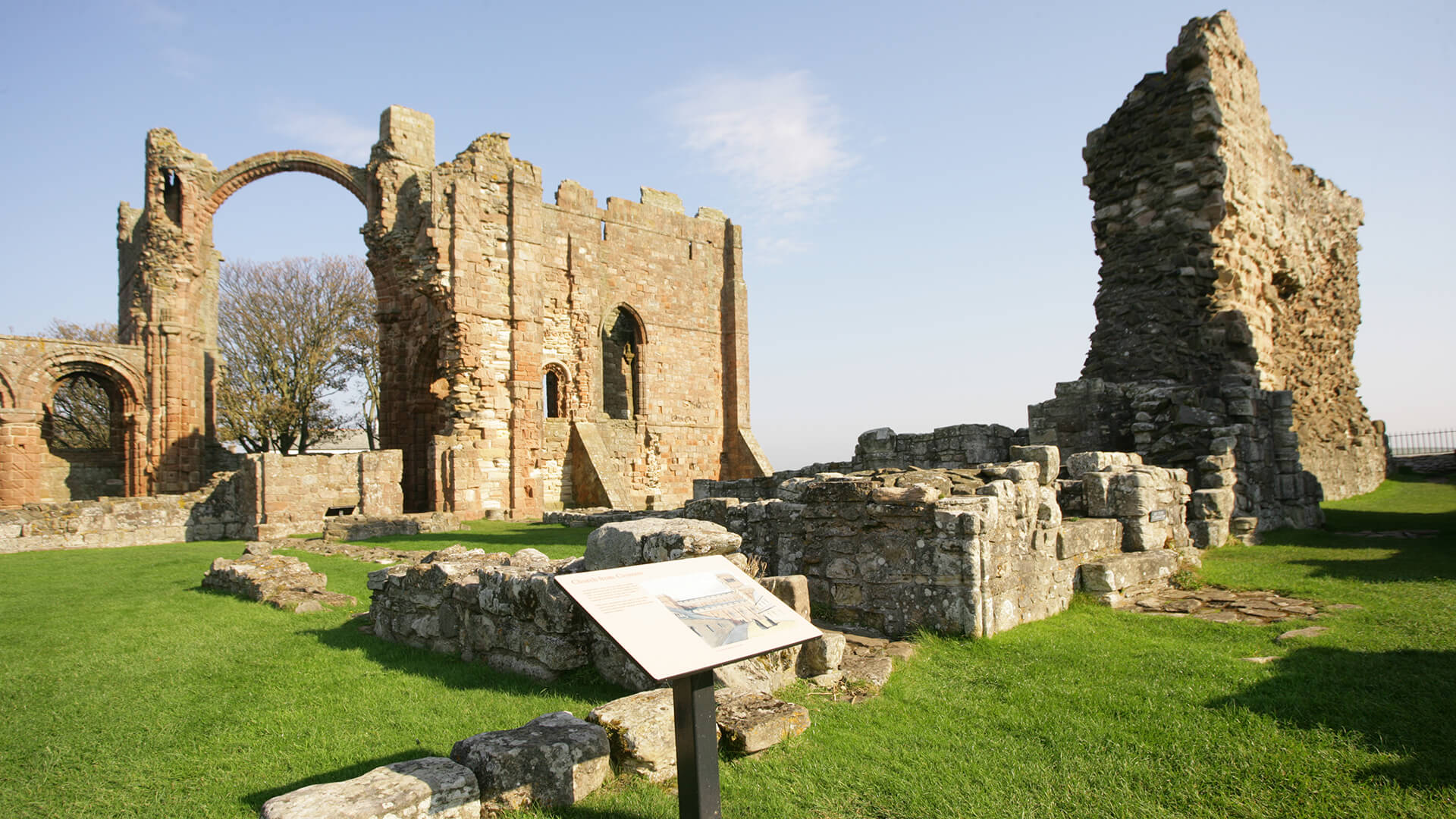
This place of worship, tranquillity and beauty was once home to St Cuthbert, said to hold the power of spiritual healing. Cross the causeway and you'll find the 12th-century Lindisfarne Priory, the centre of Christianity in Anglo-Saxon England and once home to St Oswald. Ransacked by Viking raiders in the 8th century, the evocative ruins include the famous 'rainbow bridge', which arcs skywards where a tower once stood.
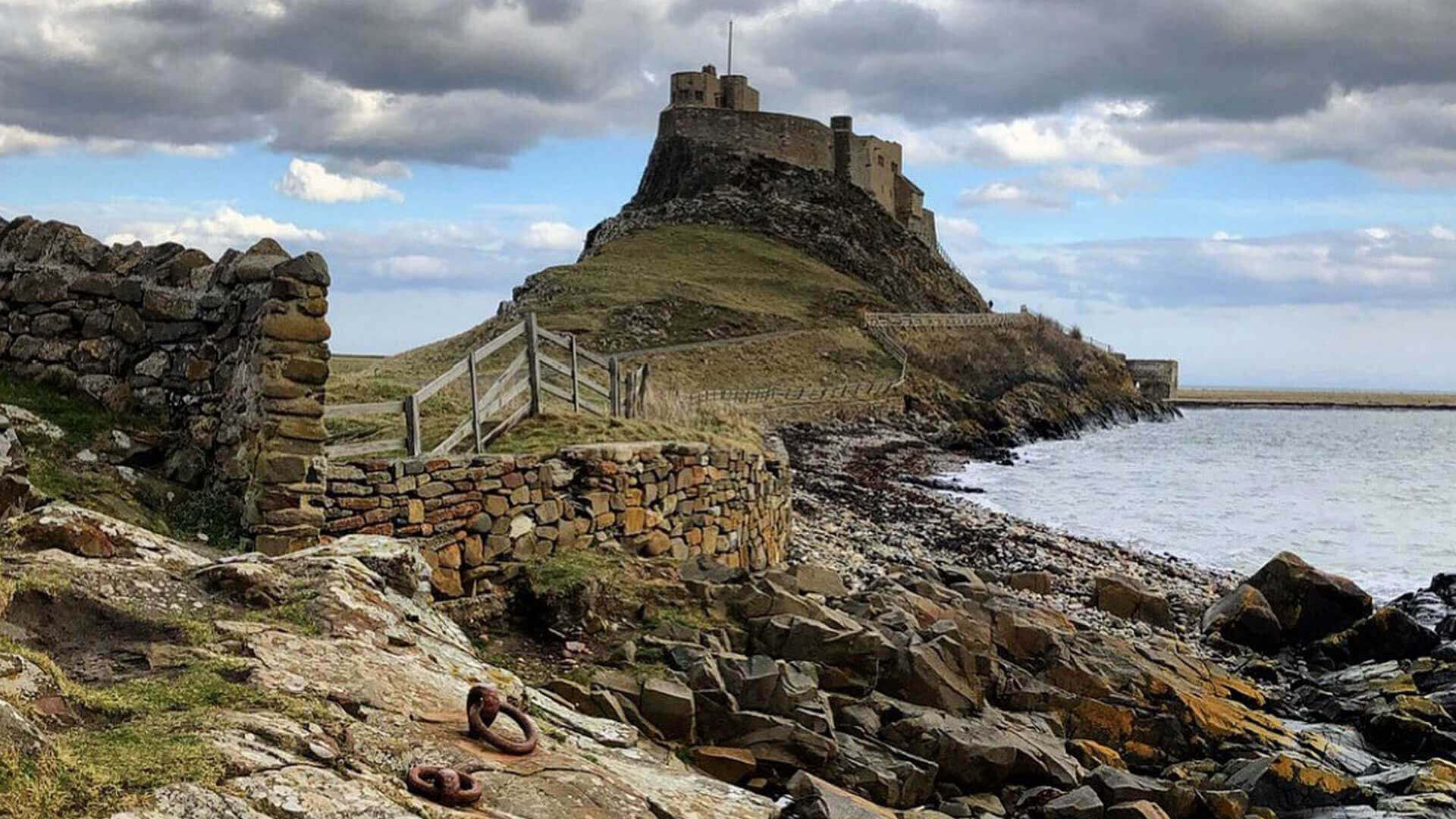
Perched on a rocky plateau overlooking the island, Lindisfarne Castle has a history rooted mainly in military defence. From around 1570, garrisons of soldiers were stationed here to watch the horizon for trouble, and the excellent condition of the castle when it was rediscovered in 1901 suggests its military history was a relatively quiet one. Today, the National Trust looks after the castle, so visitors can enjoy its architecture and striking sea views.
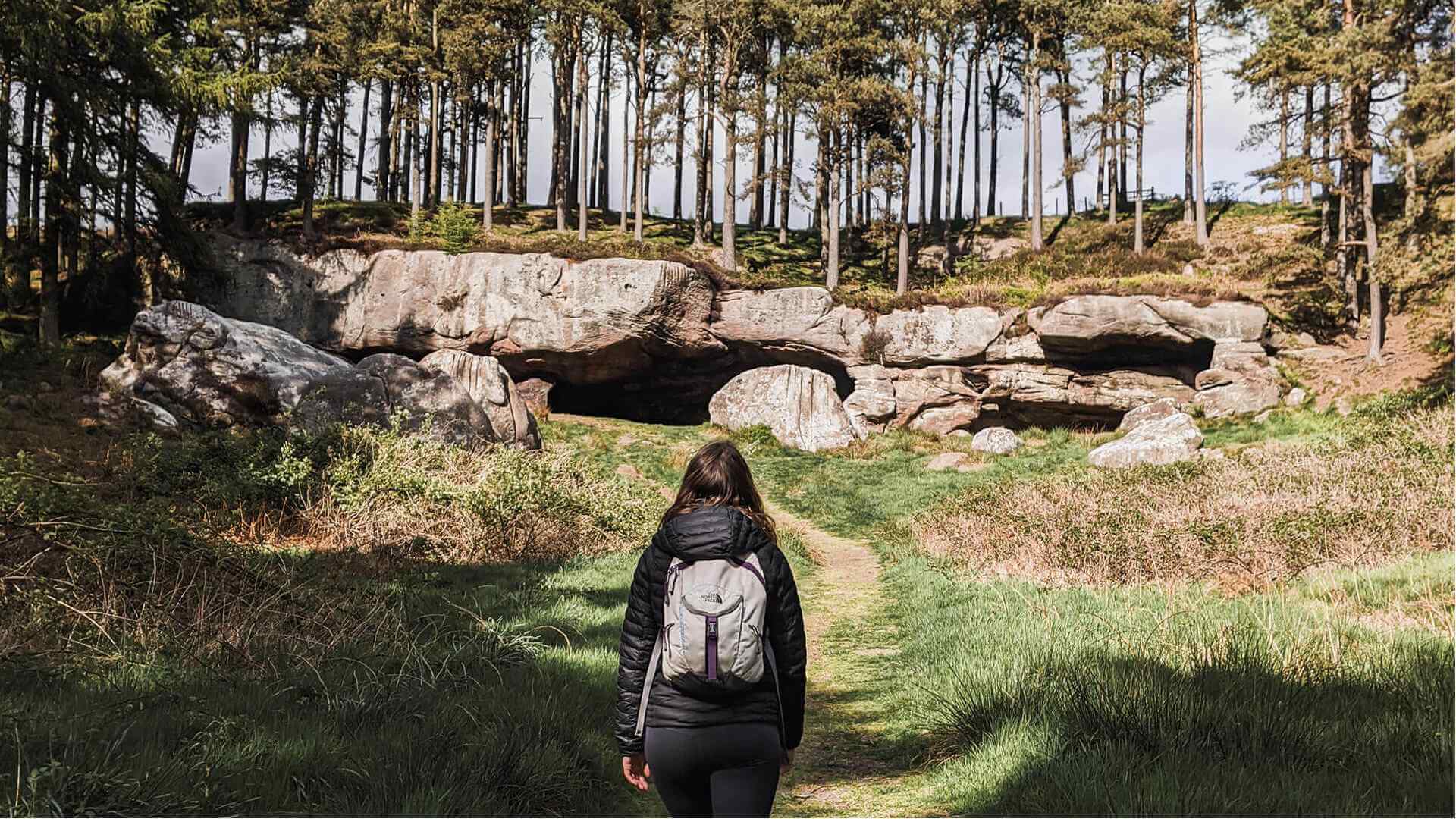
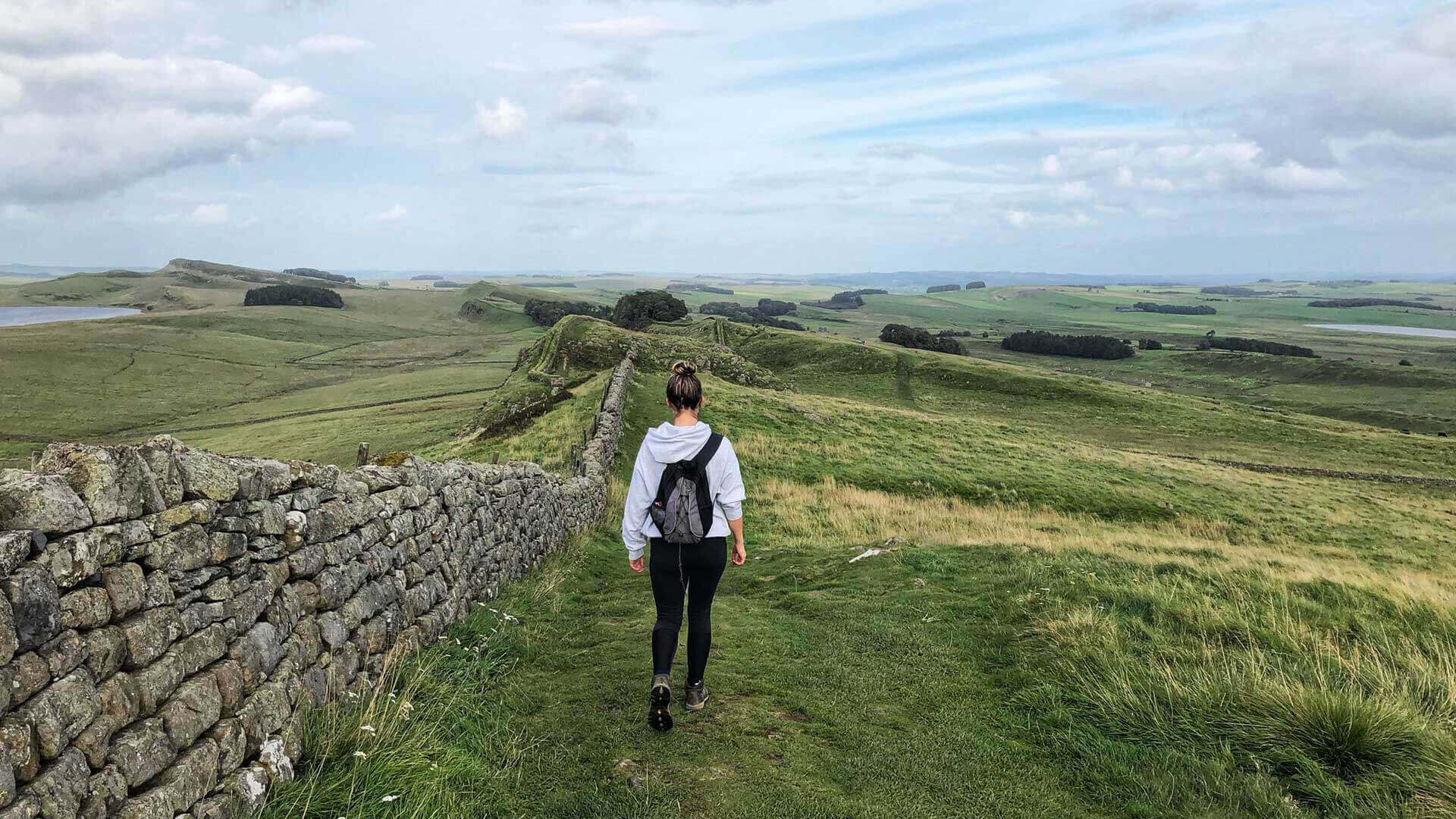
Holy Island remains a place of pilgrimage today, and is the final destination of St Cuthbert's Way, one of Scotland's Great Trails. Take on the causeway with a guided walk, explore independently using one of the island's marked walking routes, or cycle across on a hired e-bike from Good Times Bike Hire, based near Berwick-upon-Tweed.
As well as its history, Holy Island has an exciting range of wildlife to spot. Its island status protects the tidal mudflats, salt marshes and dunes that make up the Lindisfarne National Nature Reserve — look out for wildfowl in autumn and wading birds through winter, plus pale-bellied brent geese arriving from Svalbard, and grey seals bobbing in the water or basking on the sand.
Pick up a coffee and pastry at one of the island's cafés, such as Pilgrim's Coffee House and Roastery, which roasts its own beans on-site, or settle in for lunch or dinner at one of Holy Island's pubs and restaurants. Just remember to leave plenty of time to get off the island safely, unless you're staying overnight.
A word of caution: always check the causeway's tide table before setting off. Berwick-upon-Tweed Tourist Information Centre has full details of both the tides and the bus service to the island — or see our dedicated crossing times guide below.
Holy Island tide times and safe crossing
Holy Island is cut off from the mainland twice a day when the tide covers the causeway, so checking safe crossing times is the single most important thing to do before you travel. As a rough guide, the causeway is usually passable for around five hours either side of low tide, and closed for roughly five hours either side of high tide, but the exact window shifts every day, so always check the current tide table rather than relying on a previous visit.
Our Holy Island safe crossing times page has the up-to-date table, along with recommended crossing windows that build in a safety margin either side of the tide. Berwick-upon-Tweed Tourist Information Centre can also talk you through the tide times and the connecting bus service if you're travelling without a car.
If you only remember one thing before visiting Holy Island, make it this: check the tide times before you set off, not after you arrive.