Spectacular views
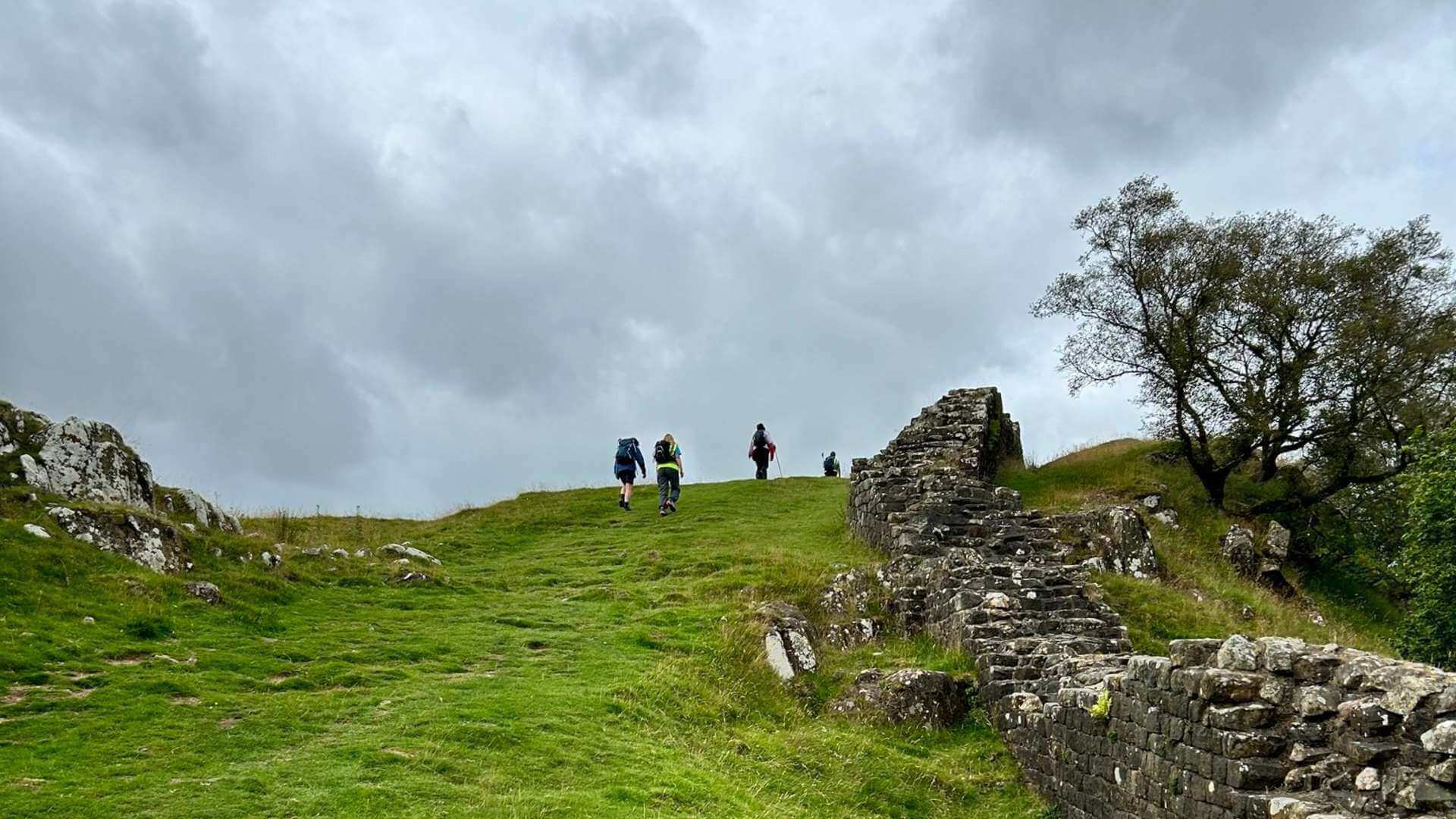
While the Roman Empire may be long gone, the landscapes and battlefields Roman soldiers would have seen from the viewpoints at Hadrian’s Wall still remain impressive. With famous expanses, like the grandeur stretch above Housesteads, Hadrian’s Wall viewpoints allow you to immerse yourself in the lives of Romans.
The famous stretch of wall at Steel Rigg is home to Sycamore Gap where Kevin Costner shinned up a tree in the film Robin Hood: Prince of Thieves.
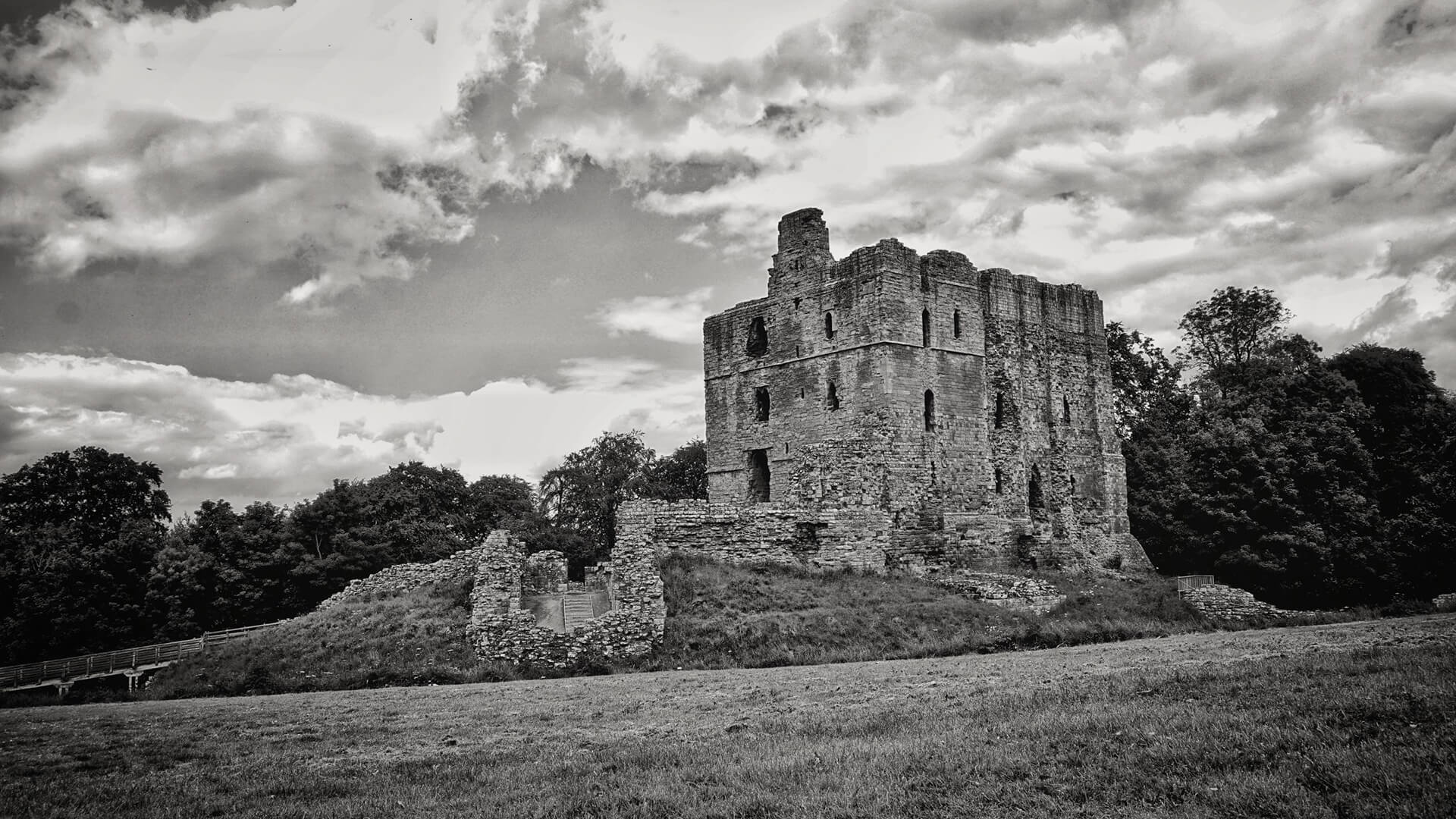
Visit the one-time quarry of Walltown, and see how it cuts dramatically through the wall into the Great Whin Sill beneath. Walk up to well preserved sections of Hadrian’s Wall at Walltown Crags which look across the site. Make a short detour to Thirlwall Castle a kilometre west.
Housing many interesting features and historical sites including prehistoric earthworks, a milecastle and turret, the section of wall between Housesteads and Sewingshields has spectacular views too.
Known locally as The King’s Stables, Poltross is one of the best-preserved milecastles on the Wall. A few steps survive of a flight of stairs leading to a rampart walk. Other features include an oven and the remains of the north gateway.
Pay a visit to Brocolitia Roman Fort, a fascinating homage to the Roman god Mithras. Founded in the 3rd century, it is close to a military base in the Carrawburgh fort.
Standing almost two and a half metres tall, see the Wall formation change from broad to narrow at Brunton Turret.
See one of the longest visible stretches of the Wall at Heddon-on-the-Wall, which is up to two metres thick in places. Visit St Andrew’s Church in the village. Made entirely from stone taken from the Wall, the church is built on a site once used for pagan ceremonies.
Standing outside Benwell fort are the remains of a temple to a native god called Antenociticus. Worshipped by soldiers from nearby Benwell, Antenociticus was expected to bestow favours including promotions.
This tranquil area marks the spot where King Oswald and his Christian army defeated the pagan King Cadwallon and his army in the shadow of Hadrian’s Wall. This was a landmark victory paving the way for widespread adoption of Christianity in Northumberland.
Just south of “The Banks”, overlooking the Solway Firth, lies the western end of Hadrian’s Wall. Unfortunately, very little of this section of the wall remains, although this marks the beginning or end of the Hadrian’s Wall National Trail.
Although Hadrian’s Wall ended at Bowness-on-Solway, a system of milefortlets were constructed down the west coast as far as St. Bees Head. Crosscanonby is one of the last remaining examples, situated on a lovely stretch of beach.
And finally, the remains of the bath house of Ravenglass Roman fort, established in AD 130, are among the tallest Roman structures surviving in northern Britain: the walls stand almost 4 metres (13 feet) high.
There are plenty of scenic sections for you to enjoy during your time here in Northumberland.